Which Catacombs in Rome Should You Visit? San Callisto, Priscilla, Domitilla and San Sebastiano Compared
Catacombs Rome best: San Callisto, Priscilla, Domitilla and San Sebastiano compared by price, length and who each one actually suits.
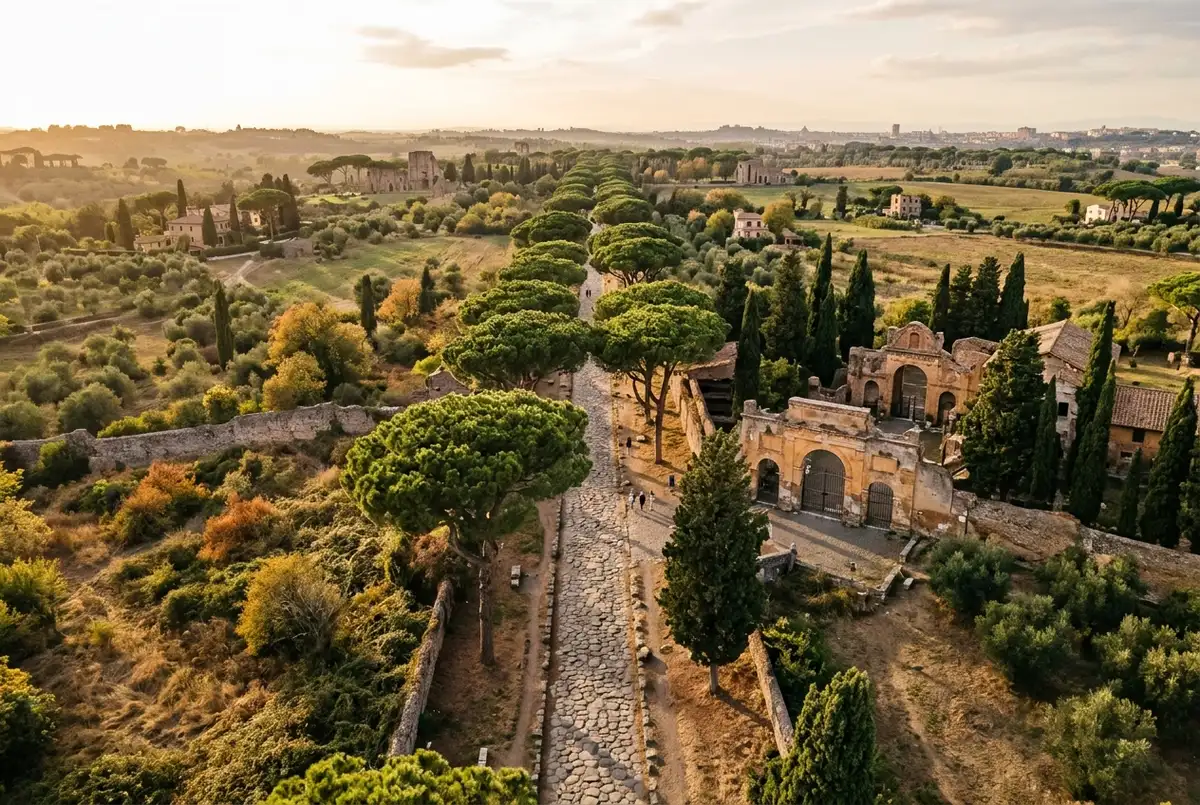
The six official catacombs are San Callisto, San Sebastiano, Domitilla, Priscilla, Sant'Agnese and Santi Marcellino e Pietro. San Callisto suits a first visit, Domitilla suits English speakers, and the Jewish catacombs open only occasionally.
 Catacombs of San Callisto Entry Ticket and Guided Tour From $15.35 · Cheapest real catacombs ticket See dates
On this page 7 sections
Catacombs Rome best: of the six catacombs officially open to the public, San Callisto is the easiest first visit, San Sebastiano carries the most history, Domitilla is the pick for an English guide, and the Jewish catacombs of Vigna Randanini are the hardest to actually get into. Here’s how they compare.
Rome's catacombs, by the numbers
Source:Pontifical Commission for Sacred Archaeology, VaticanHow many catacombs are there in Rome, and how many can you visit?
The Vatican’s own visitor page names six catacombs open to the public: San Callisto, San Sebastiano, Domitilla, Priscilla, Sant’Agnese and Santi Marcellino e Pietro. The Jewish catacombs of Vigna Randanini exist too, but Rome’s own tourism board says they’re “only open on special occasions,” not a standing attraction with a regular ticket counter like the others.
Where the main catacombs sit
Open in Google MapsWhich catacomb is the most famous, and why?
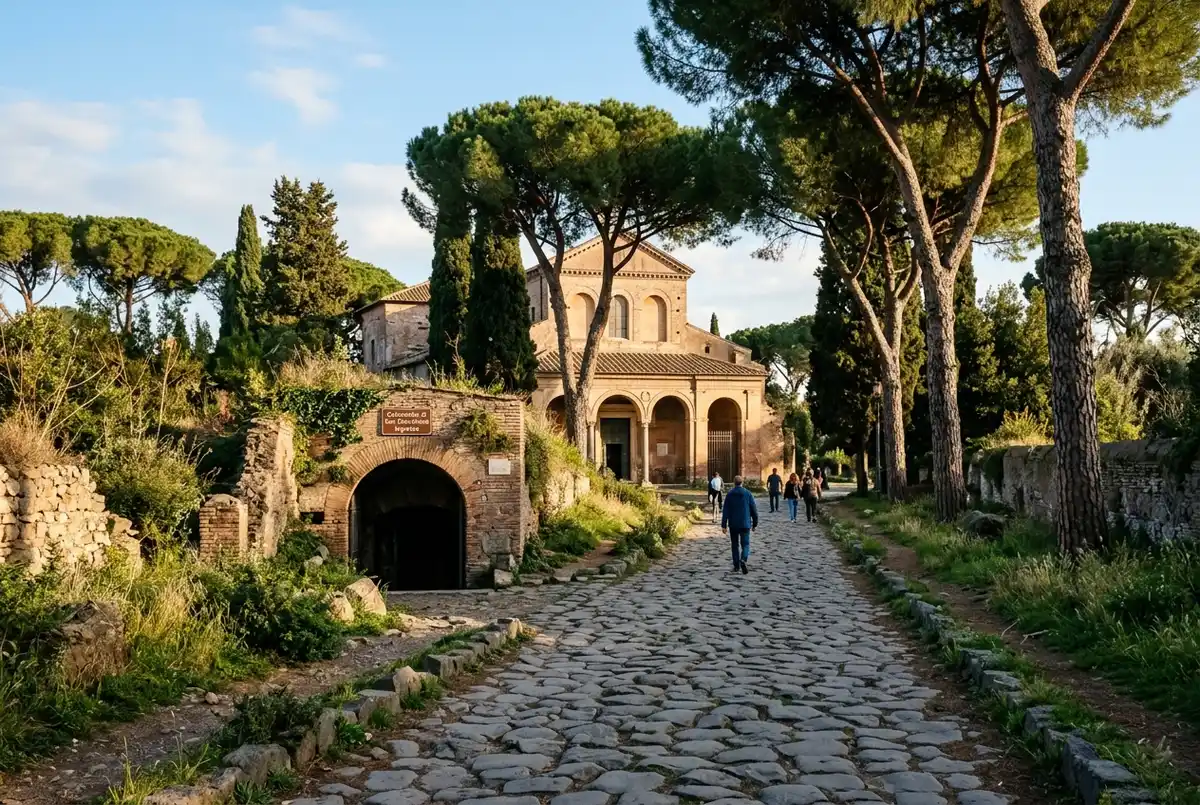
San Sebastiano, on the strength of its own history rather than size. The surrounding area was known as ad catacumbas before Christian burial began there, and that name is the direct origin of the word “catacomb” used worldwide today.
For the full story behind that name, the Catacombs of San Sebastiano page goes into it in detail.
What’s the best catacomb for a first visit?
The Catacombs of San Callisto entry ticket. It’s the cheapest option covered here, already includes a guide, and covers a straightforward 40 minute visit without extra stops to plan around.
Which catacomb suits an English speaking visitor?
The Catacombs of Domitilla’s English guided tour is the clear pick. San Callisto, San Sebastiano and Priscilla each run multilingual tours where English isn’t guaranteed on every departure.
“They are only open on special occasions.”
Turismo Roma, official Rome tourism board, 2026 · source
Which catacomb is least crowded or hardest to get into?
The Jewish catacombs of Vigna Randanini, by far. Turismo Roma states they’re open only on special occasions, so they’re not a site you can simply book for next week the way you can with the four main Christian catacombs.
Picture a reader who wants something off the beaten path, looking into timing a Rome trip around one of Vigna Randanini’s rare open days. Weighed against that uncertainty, booking San Callisto or Domitilla gets you a guaranteed visit this week instead, with the Jewish catacombs as a bonus if the dates happen to line up.
How do San Callisto, Domitilla, San Sebastiano and Priscilla actually compare?
| Catacomb | Location | Standout feature | Typical visit | Price |
|---|---|---|---|---|
| San Callisto | Via Appia Antica | Crypt of the Popes, nine popes buried | 30 to 40 min | From $15.35 |
| Domitilla | Via delle Sette Chiese | Earliest surviving Christian artwork | 2 hours with guide | From $52.64 |
| San Sebastiano | Via Appia Antica | Origin of the word “catacomb” | About 40 min | Via official site |
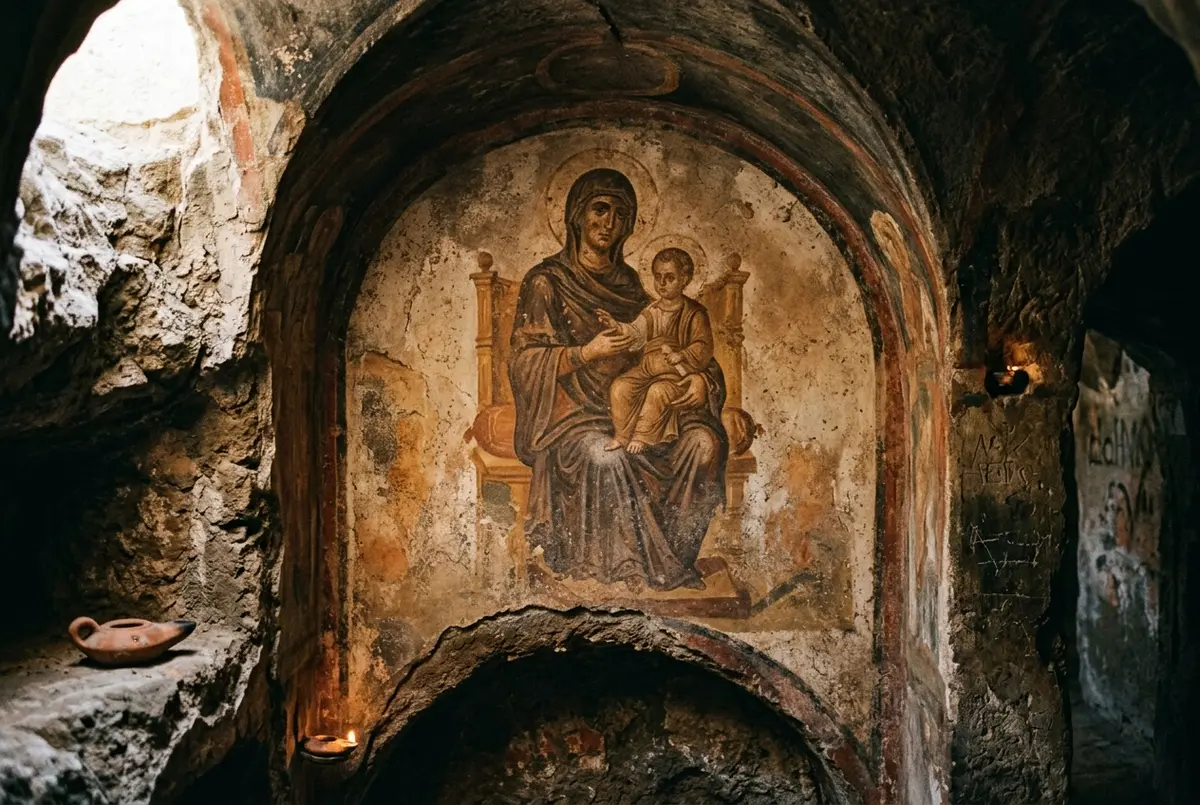
| Priscilla | Via Salaria | Earliest known Marian fresco | 45 min | 10 EUR, official site |
For a deeper look at each named site, read the Catacombs of Priscilla, the Catacombs of San Callisto and the Catacombs of San Sebastiano pages. If you haven’t yet decided whether a visit is worth it at all, are the catacombs of Rome worth visiting covers that question first.
Questions
Who is buried in the catacombs in Rome?
Early Christian popes, martyrs and ordinary believers. San Callisto alone holds nine third century popes in its Crypt of the Popes, and Priscilla’s sources list anywhere from two to seven popes among its burials.
Why were the catacombs built?
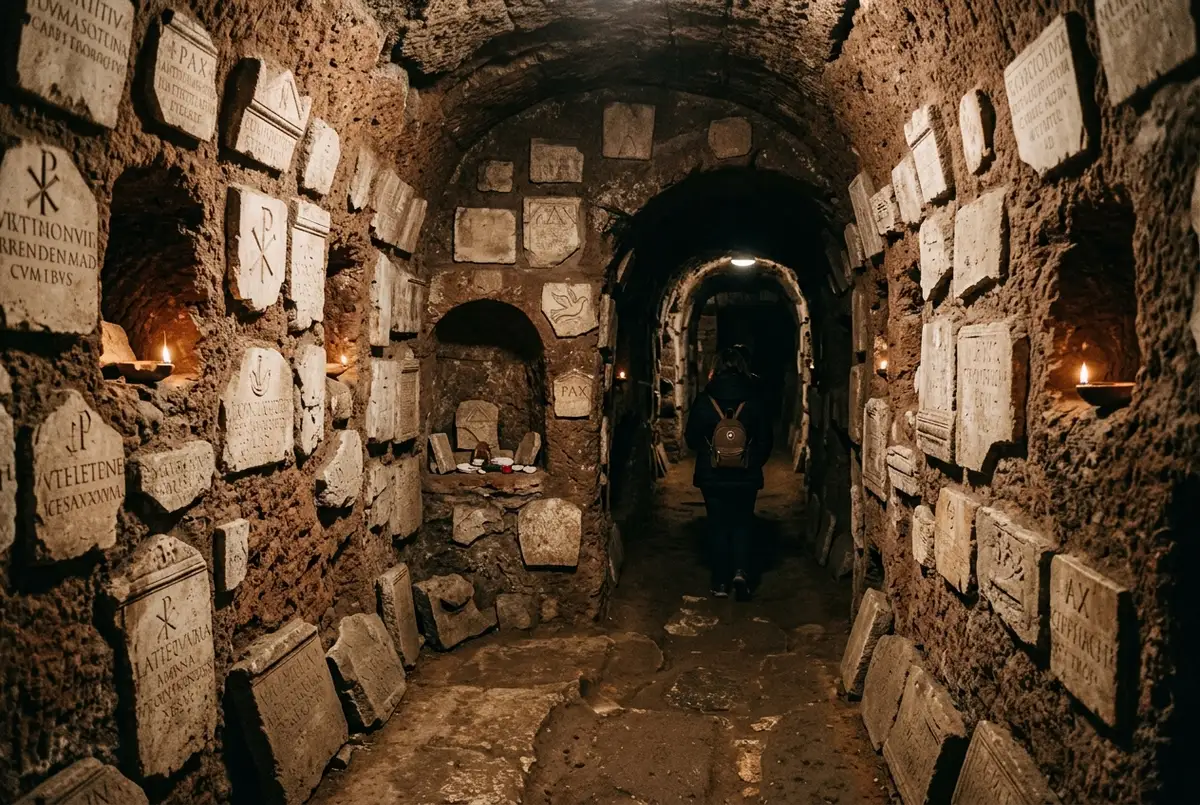
Rome’s early Christian community needed burial ground it controlled, and digging underground into soft volcanic rock was cheaper and more practical than buying land above ground near the city.
What is a catacomb?
An underground network of burial tunnels lined with carved niches. The word itself comes from “ad catacumbas,” the ancient name for the ground around San Sebastiano.
What was the purpose of the Catacombs of Priscilla?
Like Rome’s other catacombs, it served as burial ground for an early Christian community, later growing into one of the city’s largest, decorated with some of its oldest surviving Christian art.