The Catacombs of Priscilla: The 'Queen of the Catacombs'
The Catacombs of Priscilla: who Priscilla was, who's buried there, the Greek Chapel's frescoes, and how to visit this early Christian site.
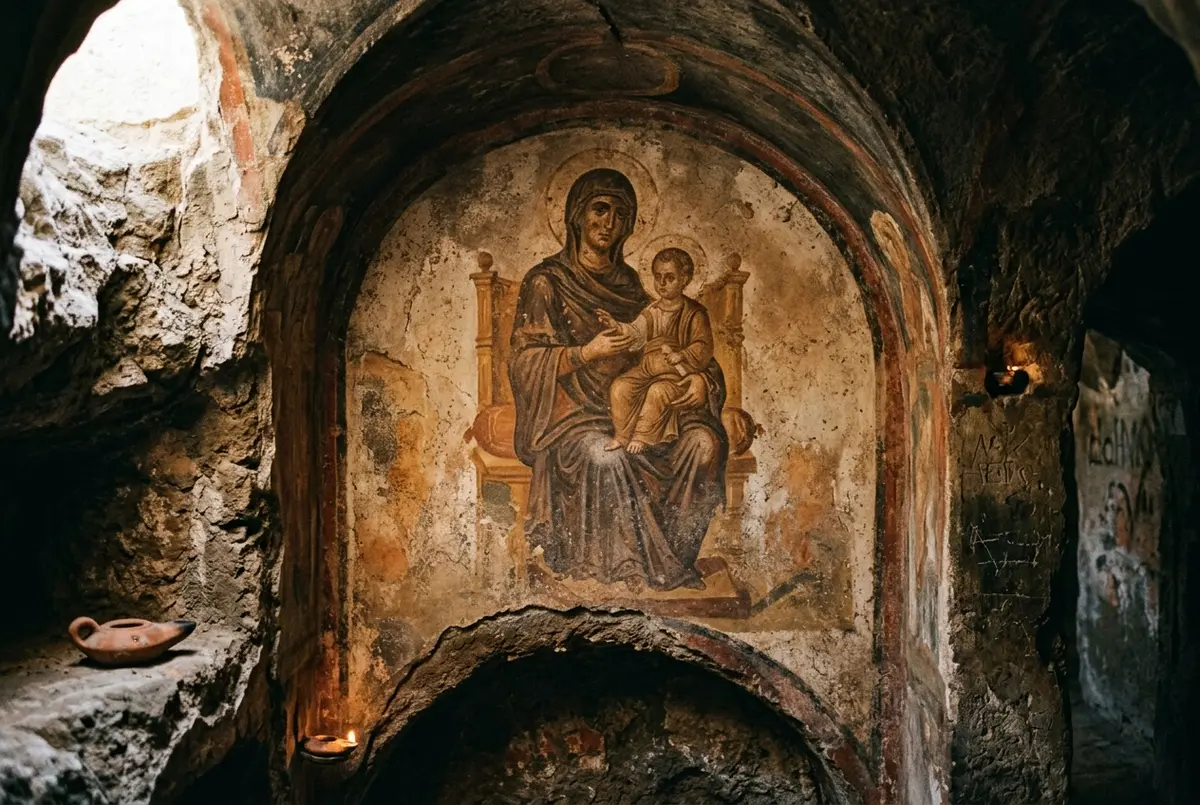
The Catacombs of Priscilla take their name from a noblewoman who likely donated the land. Earning the nickname 'Queen of the Catacombs,' it holds the earliest known Marian fresco and is reached by guided tour only.
 Catacombs of San Callisto Entry Ticket and Guided Tour From $15.35 · Cheapest real catacombs ticket See dates
On this page 7 sections
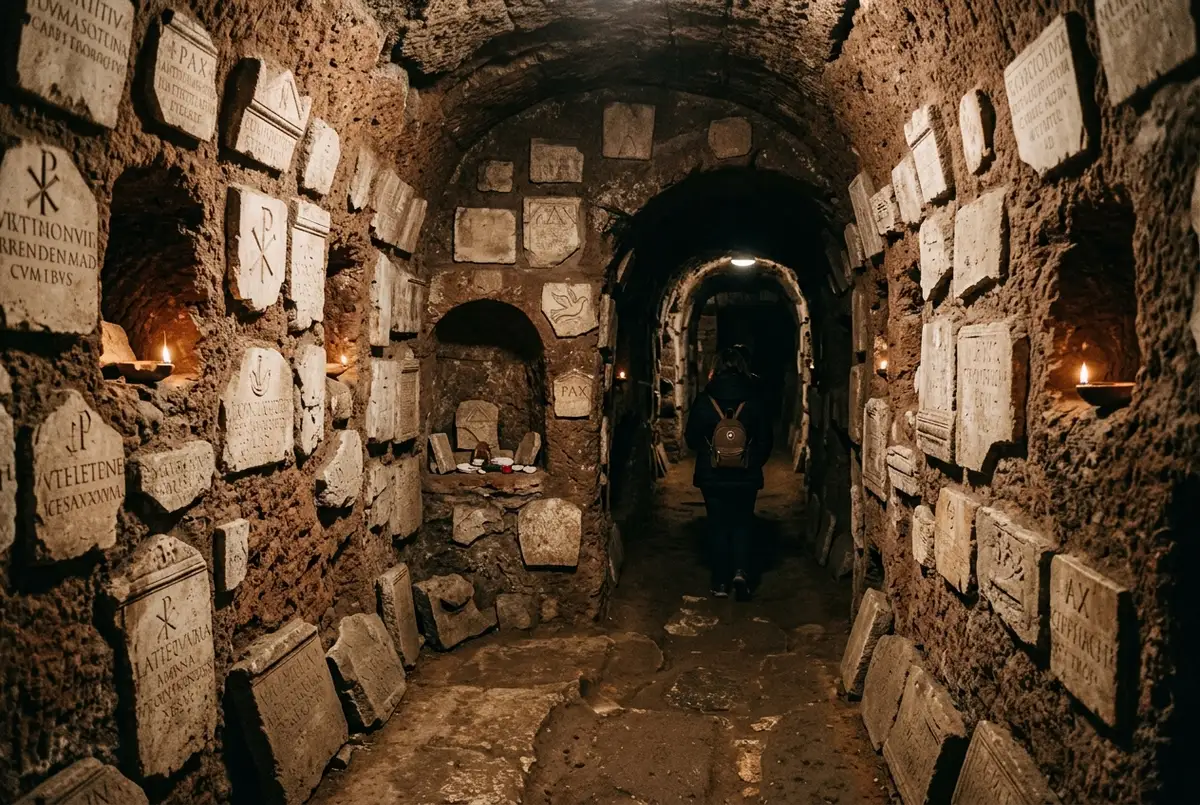
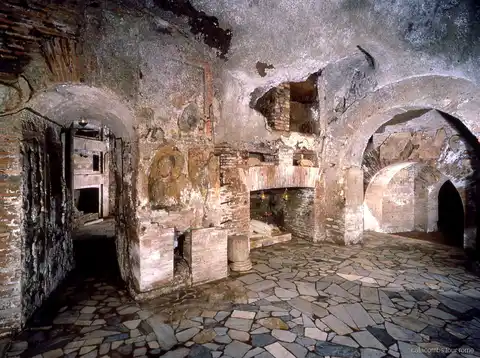
The Catacombs of Priscilla sit on the Via Salaria and take their name from a Roman noblewoman who likely donated the land. Earning the nickname “Queen of the Catacombs,” it holds the earliest known Marian fresco in a chapel decorated by generations of Christians burying their dead here between the 2nd and 5th centuries.
The Catacombs of Priscilla, by the numbers
Source:Turismo Roma, official Rome tourism boardWhat is the meaning behind the name “Catacombs of Priscilla”?
The site takes its name from Priscilla, a noblewoman of the Acilii Glabriones senatorial family who most likely donated the land. No source calls her a saint: both Turismo Roma and Wikipedia describe her only as the family’s patron, with her name etched into the hypogeum itself.
Why was the Catacomb of Priscilla built?
The site began as an arenarium, a pozzolana quarry on the Via Salaria, before Rome’s Christian community excavated it for burial between the 2nd and 5th centuries. Over time it grew into one of the city’s largest early Christian cemeteries, with tunnels extending well beyond a simple burial ground.
Who is buried in the Catacombs of Priscilla?
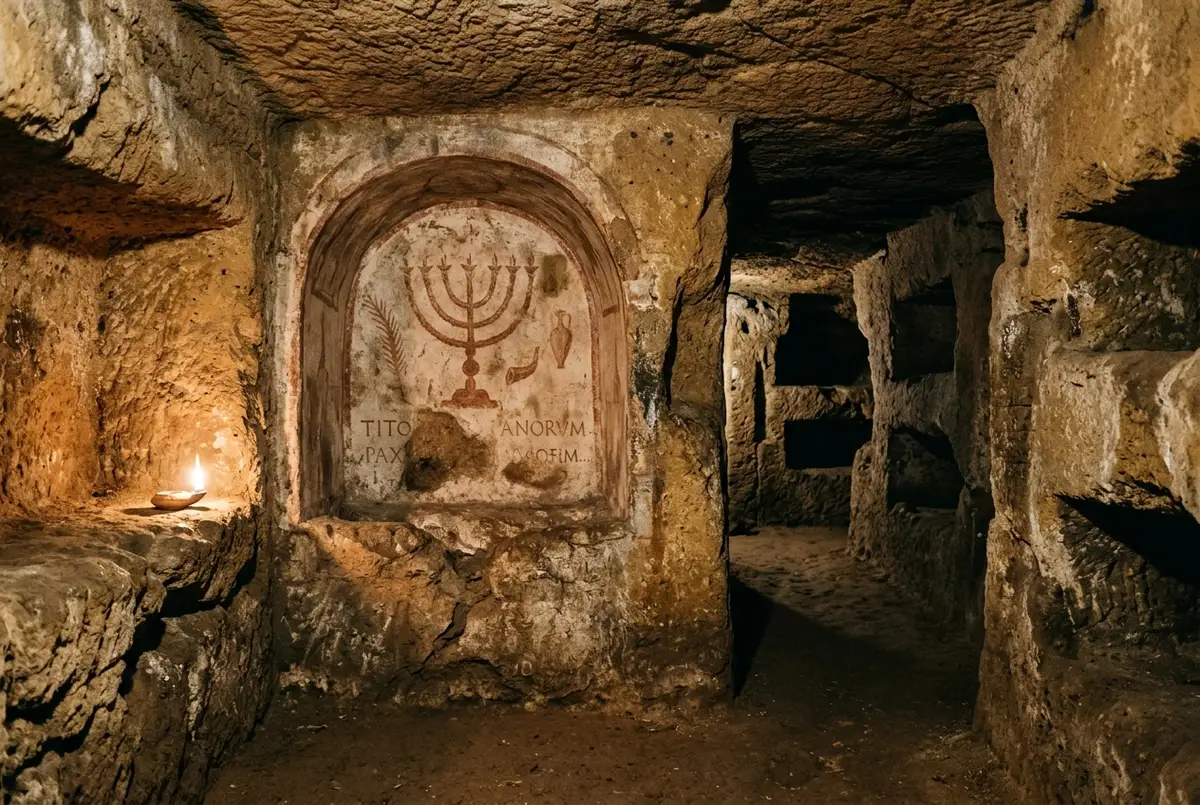
Multiple early popes and martyrs are buried here, though sources give different counts. Wikipedia confirms two, Marcellinus and Marcellus I, while the Vatican affiliated ticketing page lists seven popes spanning the 3rd to 6th centuries, plus the martyrs Felix and Philip and hundreds of anonymous others, per Turismo Roma.
“earned it the nickname Regina Catacumbarum, the queen of the catacombs.”
Turismo Roma, official Rome tourism board, 2026 · source
What is Saint Priscilla known for?
There is no canonized saint tied to this site by that name. What the name is actually known for is lending itself to one of Rome’s largest catacombs, famous for the Greek Chapel’s frescoes and an early depiction of the Virgin Mary with the Christ child, datable to the late 2nd or early 3rd century. A possible nearby Annunciation scene is disputed among scholars, so it’s worth treating as a hedged claim rather than settled fact.
Can you visit the Catacombs of Priscilla?
Yes, by guided tour only. The catacombs are open Tuesday to Sunday, closed Monday, with the last tour starting at noon in the morning and 4 PM in the afternoon, and tickets from 10 EUR at the site or 12 EUR online with the booking fee.
Picture a reader booking online the night before a Rome trip, weighing the 2 EUR online supplement against just buying on site. Checking the hours against a Monday arrival date would mean the visit needs to move to Tuesday or later, since the catacombs are closed that day.
| Ticket | Price | Where |
|---|---|---|
| Ordinary, on site | 10.00 EUR | Catacombs’ own ticket office |
| Reduced, on site | 7.00 EUR | Catacombs’ own ticket office |
| Full price, online (ORP) | 12.00 EUR | OMNIA / Opera Romana Pellegrinaggi |
| Reduced, online (ORP) | 9.00 EUR | OMNIA / Opera Romana Pellegrinaggi |
How to reach the Catacombs of Priscilla
Open in Google MapsWhat was the purpose of the Catacombs of Priscilla?
Like Rome’s other catacombs, it served as burial ground for an early Christian community that could not bury its dead above ground. The Greek Chapel and surrounding cubicles also served as sites of funerary commemoration and liturgical art, giving the dead a decorated resting place rather than a bare grave.
For how Priscilla stacks up against San Callisto, Domitilla and San Sebastiano, see which catacombs in Rome should you visit. If a cheaper, shorter first visit matters more than Priscilla’s art, the San Callisto entry ticket is the better starting point.
Questions
How long does a tour of the Catacombs of Priscilla take?
About 45 minutes. Every visit is guided, with staff leading groups of up to 25 people at a time.
What is the Greek Chapel in the Catacombs of Priscilla?
A square chamber named for two Greek inscriptions painted inside it, decorated with Pompeian style frescoes and stuccoes dated to the advanced 3rd century.
Where are the Catacombs of Priscilla located?
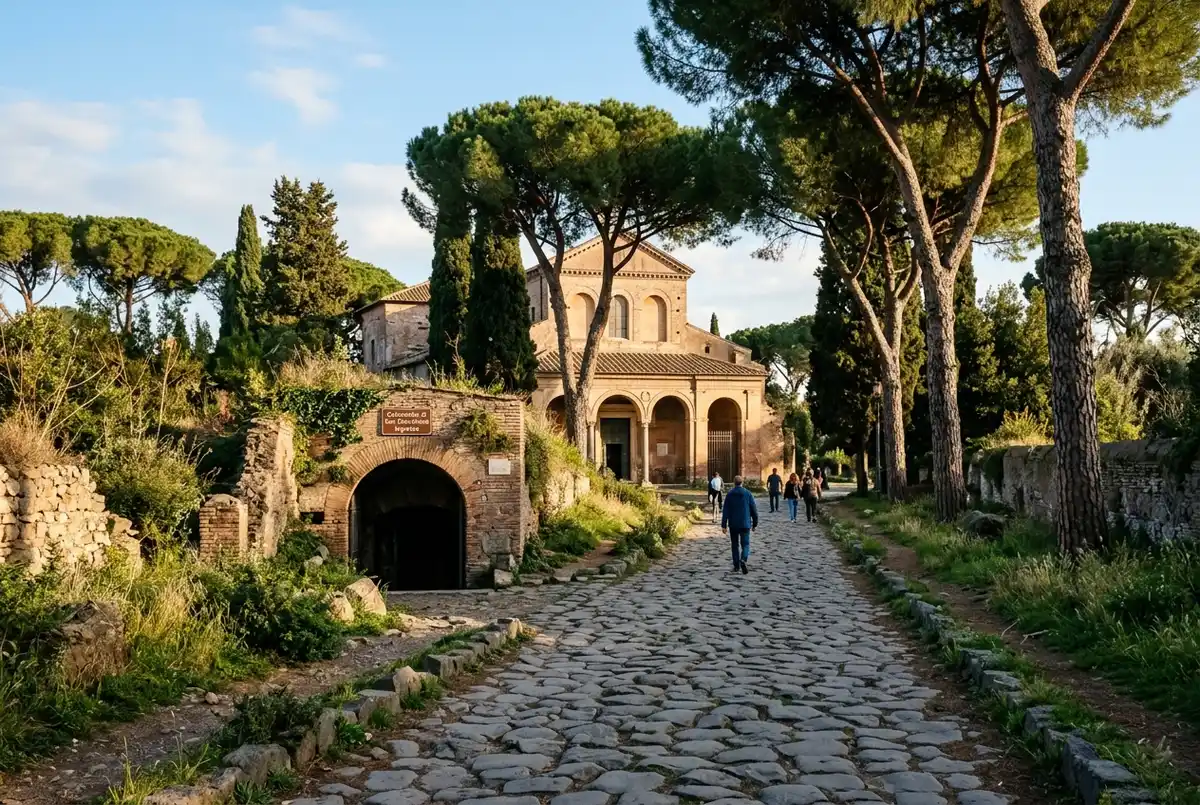
On Via Salaria 430, reachable by bus 63 or 83 from the city center, or bus 92 or 310 from Termini Station.
What languages are the guided tours available in?
The Vatican affiliated booking platform lists Italian, English, Spanish, French, German, Slovak and Russian guided tours.